The Best Brain Training Probability Games
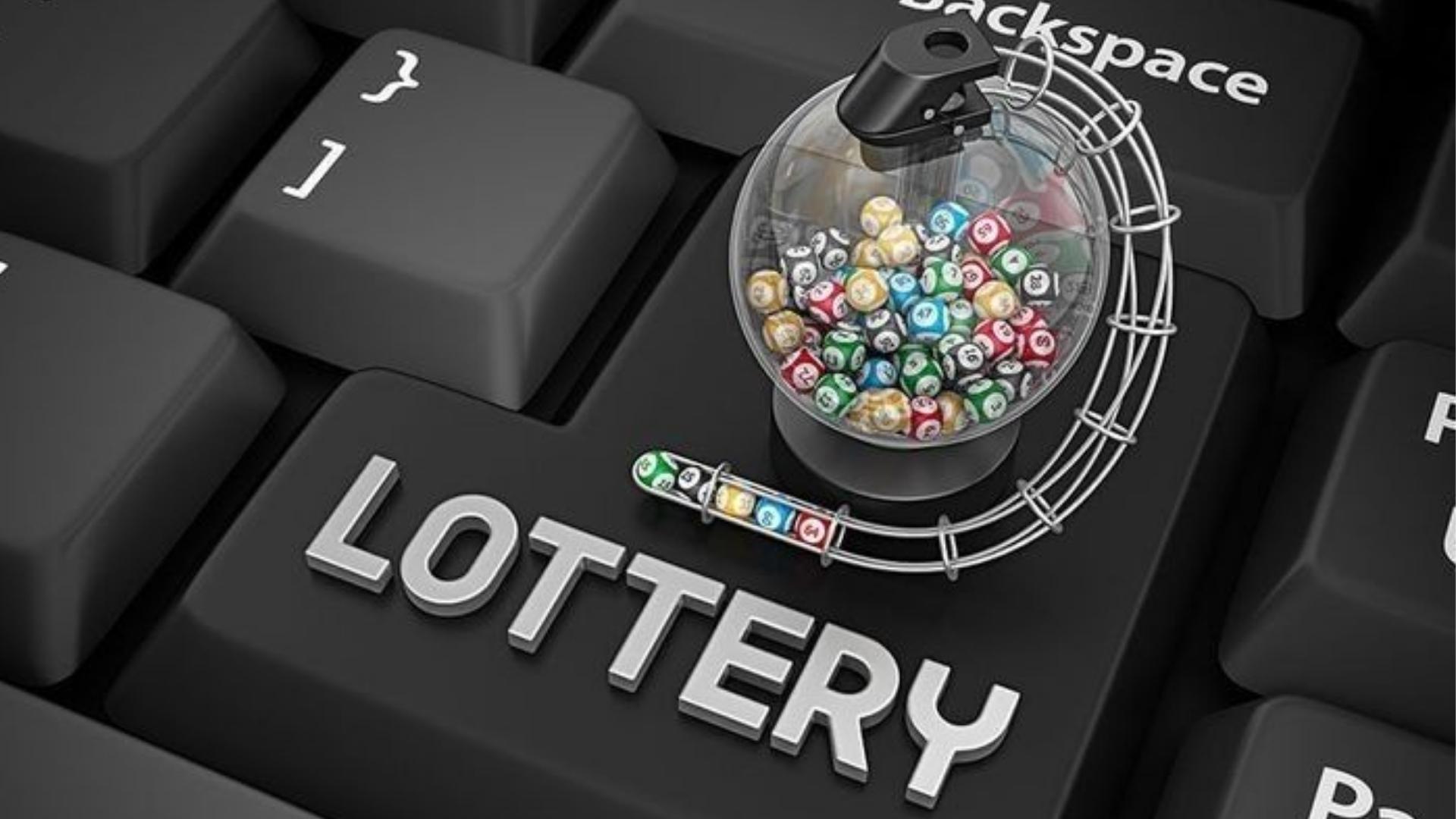
Engaging with cognitive challenges is a proven method to keep the mind sharp, and incorporating elements of uncertainty can elevate this experience. Probability-based brain training games offer a unique opportunity to test mathematical logic while enhancing real-world decision-making skills. By forcing the mind to calculate risk and assess potential outcomes dynamically, these exercises stimulate areas of the brain responsible for deep analytical reasoning.
The Cognitive Science of Randomness
At the core of probability games lies the concept of independent and dependent events, which constantly challenges our intuitive assumptions. Traditional logic puzzles often rely on predictable patterns, whereas uncertainty forces the human brain to manage cognitive load and adapt to fluid scenarios. This ongoing adjustment helps minimize common cognitive biases, such as the gambler's fallacy, where individuals mistakenly believe past results dictate future outcomes.
Regularly confronting these mathematical uncertainties builds a stronger framework for both rational planning and sharp intuition. When individuals learn to track statistical frequency instead of guessing out of pure hope, their underlying problem-solving capacity expands significantly. Over time, this targeted cognitive stimulation trains the mind to handle unexpected variables with calm efficiency.
Top Categories for Probability Practice
Card games and advanced dice simulators represent some of the most accessible tools for practicing probabilistic calculations. These classic formats require participants to compute real-time odds based on shifting variables and visible clues. By calculating the remaining possibilities in a deck or a roll, players reinforce their working memory and statistical literacy simultaneously.
For those interested in exploring diverse digital environments that incorporate sophisticated random number generators, platforms like Mansion88 provide modern interactive setups. Observing how digital formulas distribute potential results offers an engaging way to study statistical patterns. Utilizing these platforms for structured observation allows analytical thinkers to test their theories in complex, fast-paced scenarios.
Developing Risk Assessment Skills
One of the main benefits of probability challenges is their direct application to daily life choices. Real-world decisions are rarely based on total certainty, often requiring people to weigh potential risks against expected rewards. Training with game-based scenarios helps individuals internalize these concepts, leading to more objective choices in corporate, academic, and personal settings.
By understanding how small sample sizes can fluctuate erratically, players learn to appreciate the stability of long-term trends. This perspective shifts focus away from immediate emotional reactions and moves it toward calculated long-term strategies. Ultimately, mastering these basic mathematical calculations transforms the way the mind evaluates opportunities and mitigates potential losses.
Choosing the Right Challenge
Selecting the ideal puzzle or game depends largely on an individual's current mathematical background and cognitive goals. Beginners should focus on simple coin-tossing or dice-rolling simulations to build a foundational grasp of basic percentages. Advanced players can progress to mixed-motive setups where human behavior and statistical algorithms intersect, creating a richer layer of tactical complexity.
Consistency is much more valuable than difficulty when trying to establish lasting cognitive improvements. Spending a few minutes each day analyzing probabilities can dramatically refine how the brain processes complex information. Finding an engaging, well-designed format ensures that this vital mental workout remains both sustainable and rewarding over time.