Why Strategy Matters in Table Games
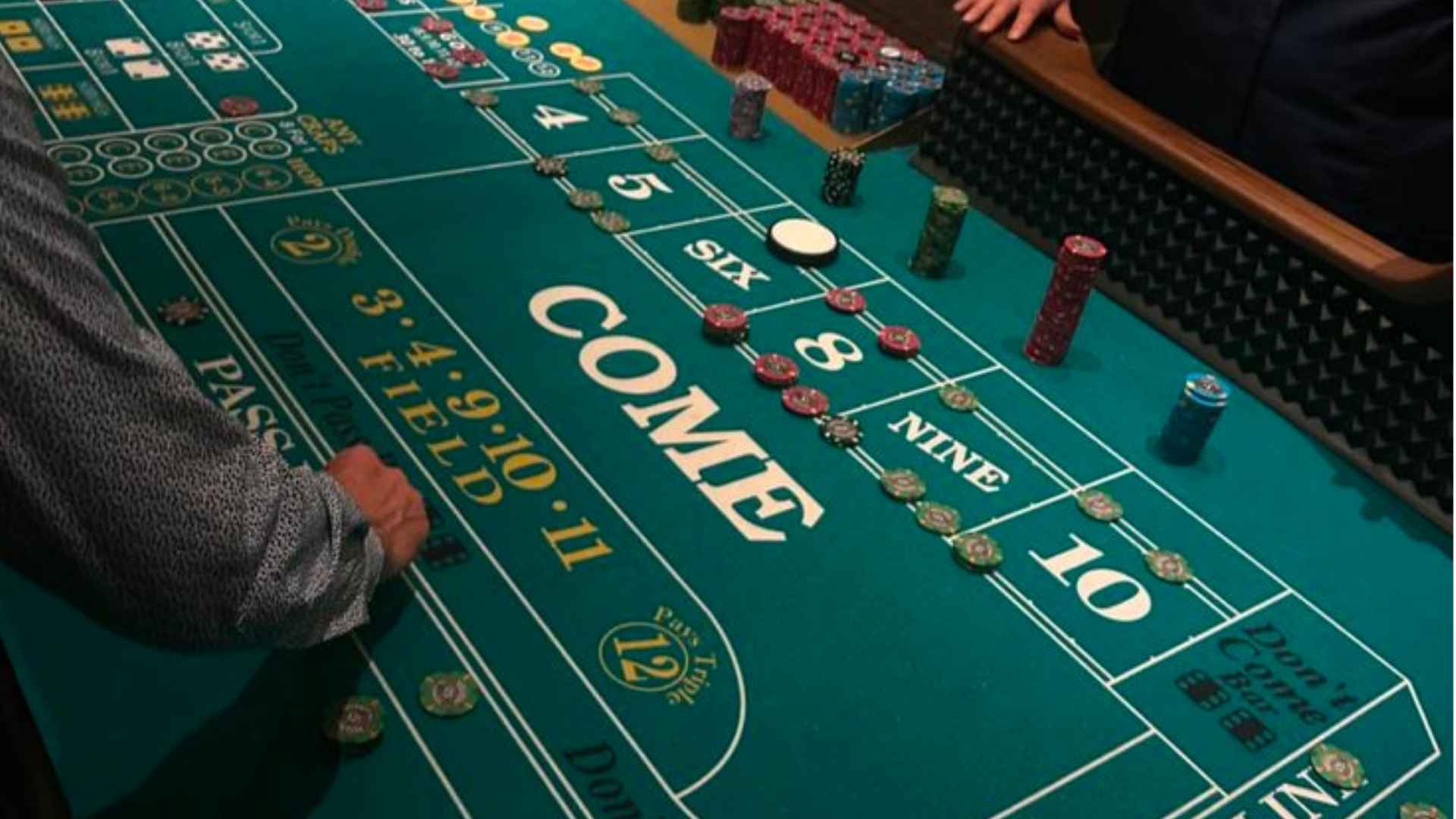
The allure of table games lies not just in the suspense of the next card or the spin of a wheel, but in the unique control they offer players. Unlike basic games of pure chance, table games challenge participants to engage their minds and apply structured thinking. Understanding why strategy matters is the first step toward transforming casual play into a deeply satisfying intellectual pursuit.
Shifting the Odds in Your Favor
While luck always plays a role, introducing a solid strategy allows players to systematically reduce the house edge. By making mathematically sound decisions, you ensure that every move is backed by probability rather than simple guesswork. This disciplined approach maximizes your opportunities to secure positive outcomes over longer gaming sessions.
For individuals looking to explore a secure platform with a wide selection of choices, Mansion88 provides an excellent environment to practice and refine these strategic principles. Developing a deep understanding of game rules and odds serves as the foundation for any successful session. Over time, these small mathematical adjustments accumulate to create a major difference in your overall performance.
Developing Mental Discipline and Patience
Adhering to a strategy requires a high level of emotional control, which is essential when facing unexpected outcomes. Players who rely on predefined systems are far less likely to make impulsive, heat-of-the-moment decisions that could damage their bankroll. This mental structure keeps you focused on long-term consistency rather than short-term fluctuations.
Patience is a quiet but powerful tool that separates seasoned players from complete novices. Strategists understand when to play aggressively and when it is wiser to step back or minimize their stakes. This level of self-control ensures that gaming remains an enjoyable, highly engaging form of mental exercise.
Enhancing the Intellectual Experience
Executing a well-thought-out plan elevates table gaming from a passive pastime to an active problem-solving challenge. Analyzing the table, calculating potential risks, and adapting to new variables keeps the human brain sharp and highly focused. This intellectual engagement is often much more rewarding than winning a payout purely by accident.
Every game session serves as an opportunity to study human behavior, manage resources, and test your decision-making limits. By focusing on the strategic aspects, you cultivate transferable skills that can even apply to real-world challenges. Ultimately, treating these games as puzzles to solve makes every single round far more meaningful.