Tag: Bonus Events

Wheel of Fortune Tips for Better Game Awareness
Developing a high level of game awareness is what separates casual spinners from truly successful players in any wheel-based puzzle game. By training yourself to see beyond the immediate results of a single spin, you can make much smarter choices throughout each round. Elevating your perception allows you to anticipate challenges and seize opportunities before your opponents even realize they exist.
Observe the Board and Predict Missing Letters
A major element of game awareness involves scanning the board constantly to identify common prefix and suffix combinations. Recognizing how letters typically pair up in English words can give you a massive advantage when the puzzle is only partially revealed. This mental blueprint helps you eliminate unlikely guesses and narrow down the remaining word possibilities quickly.
As you watch the board develop, keep a close eye on the ratio of consonants to vowels already placed by other players. Understanding which vowels are still missing prevents you from making empty spins that do not progress your standing. This continuous evaluation keeps you ahead of the game and ready to solve at the perfect moment.
Monitor Opponent Tactics and Mistakes
Game awareness is not just about your own turns; it also requires paying strict attention to how your competitors behave. Watching which letters your opponents guess can reveal their underlying strategy or expose their misunderstandings of the current board. Learning from their missteps ensures you do not repeat the same incorrect calls when the turn passes back to you.
Furthermore, observing how other players handle risky wheel segments can help you gauge the overall volatility of the round. Many enthusiasts enjoy practicing these observation skills on reliable online platforms like Mansion88 to build up their decision-making confidence. Analyzing diverse player habits under various conditions ultimately refines your personal approach to competitive sessions.
Master Wheel Mechanics and Sector Risks
Every spin carries a distinct set of risks and rewards that you must calculate in real time based on your current score. Cultivating awareness of where the bankrupt and lose-a-turn sectors are located helps you decide whether to spin or solve immediately. Balancing the urge to accumulate more rewards with the safety of your existing bankroll is key to long-term success.
When you learn to track the momentum of the wheel, you can better estimate where the pointer is likely to land on subsequent spins. While randomness always plays a significant role, understanding these basic physics elements reduces unnecessary anxiety during critical moments. This calculated mindset ensures you remain calm and focused on the puzzle solving process itself.
Track Your Resources and Build a Plan
Managing your in-game currency is another crucial skill that requires constant focus and proactive planning. Spending your resources too quickly on early vowels can leave you vulnerable if you hit an unexpected obstacle later. Maintaining a healthy financial cushion ensures you always have the flexibility to purchase crucial clues when the board gets tough.
Ultimately, superior game awareness comes from combining puzzle-solving speed with a disciplined emotional state. By practicing regularly and reflecting on your choices, you will naturally develop a sharper instinct for every twist the wheel offers. With these steady habits in place, you can transform every session into an intellectual victory.

Solitaire Games That Sharpen Your Thinking
While many people view solitaire as a simple way to pass the time, this classic card game actually serves as an excellent tool for cognitive enhancement. Engaging with these solo puzzles requires a unique blend of foresight, pattern recognition, and tactical decision-making. By regularly playing, individuals can naturally exercise their minds and keep their critical thinking skills sharp.
The Cognitive Science of Sorting Cards
When you sit down to play a round of solitaire, your brain instantly begins evaluating complex visual data. You must analyze the relationships between different suits, alternating colors, and descending numerical orders. This continuous mental sorting helps strengthen working memory and improves your overall ability to process information quickly.
Furthermore, the game demands a high level of sustained concentration to avoid making premature moves. This deliberate focus acts as a form of mental training, helping to build a longer attention span in an era filled with digital distractions. Over time, players often find that this improved focus carries over into their daily professional and academic tasks.
Strategic Planning and Risk Management
To consistently win at solitaire, players must move beyond basic reaction and start planning several steps ahead. Every card moved in the tableau has long-term consequences that can either open up new opportunities or lead to a dead end. This process of weighing options closely mirrors real-world decision-making and logical problem-solving.
You must also learn when to take calculated risks, such as deciding when to draw from the stockpile or when to empty a tableau column. Balancing these risks teaches valuable lessons in patience and analytical reasoning. For those who enjoy testing their strategic thinking in different environments, platforms like Mansion88 provide modern interactive puzzles that challenge your tactical abilities in new ways.
Stress Reduction as a Pathway to Clear Thinking
An overlooked benefit of solitaire is its ability to induce a state of calm, focused relaxation often referred to as flow. By engaging in a low-stakes activity with clear rules, players can temporarily step away from daily stressors. This mental break reduces cognitive fatigue and allows the brain to recharge for future tasks.
A relaxed mind is significantly better at creative problem-solving and retaining new information. By using solitaire as a healthy mental escape, you are actually setting the stage for clearer, more logical thinking when you return to your responsibilities. It proves that taking a brief, structured break can be highly beneficial for long-term intellectual performance.
Choosing the Right Mind-Sharpening Variants
Not all solitaire games offer the same level of mental difficulty, meaning you can easily tailor your play to your current goals. Classic Klondike is fantastic for relaxing baseline exercises, while Spider Solitaire demands much deeper sequencing and logic. Switching between different variants keeps your brain active by forcing it to adapt to new rules.
Regularly challenging yourself with more complex layouts ensures that your mind remains agile and receptive to learning. By turning this classic pastime into a deliberate daily ritual, you can enjoy a fun, accessible method of cognitive maintenance. Ultimately, solitaire remains one of the most practical and enduring ways to keep your thinking sharp and disciplined.
Why Strategy Matters in Table Games
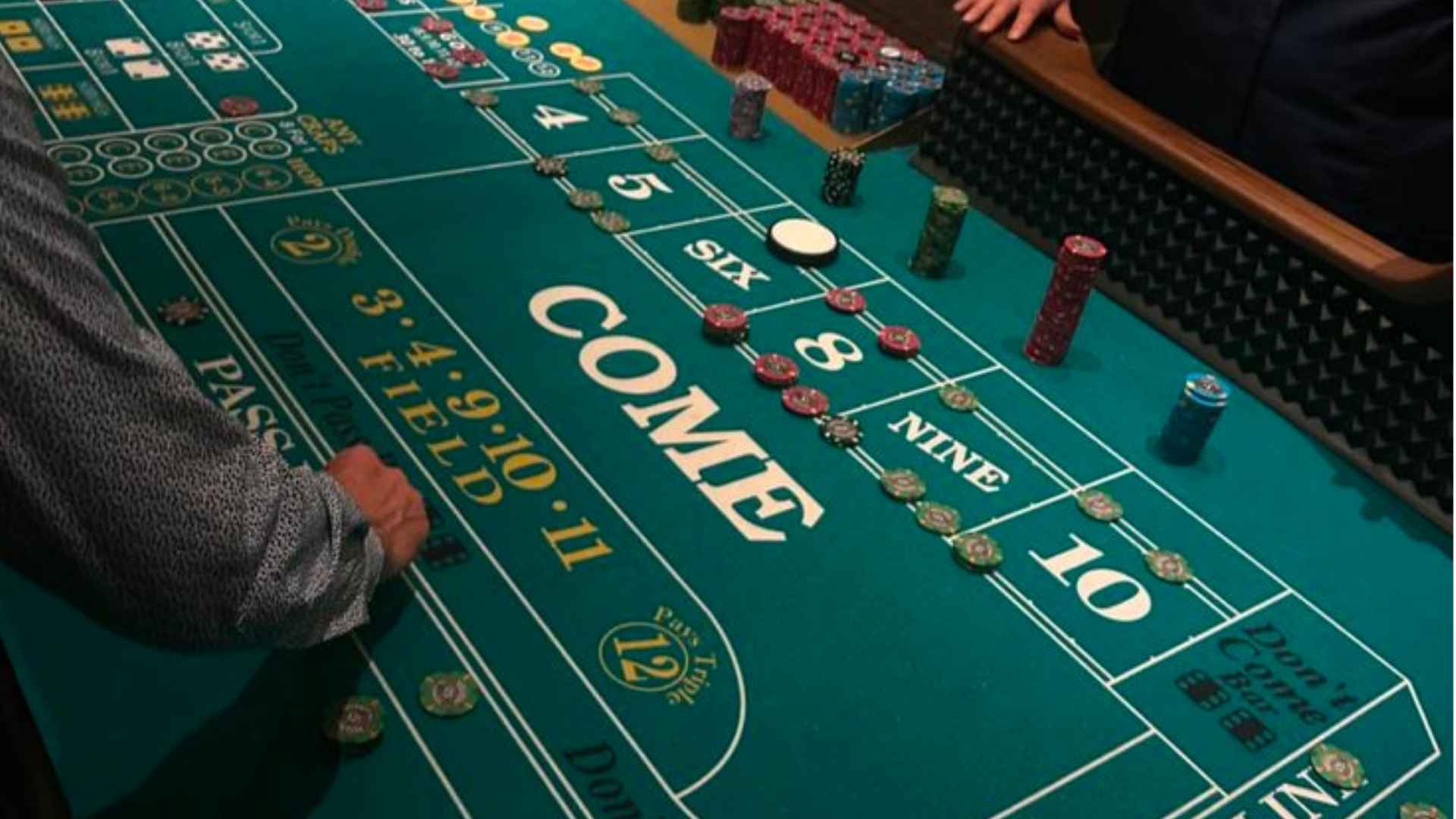
The allure of table games lies not just in the suspense of the next card or the spin of a wheel, but in the unique control they offer players. Unlike basic games of pure chance, table games challenge participants to engage their minds and apply structured thinking. Understanding why strategy matters is the first step toward transforming casual play into a deeply satisfying intellectual pursuit.
Shifting the Odds in Your Favor
While luck always plays a role, introducing a solid strategy allows players to systematically reduce the house edge. By making mathematically sound decisions, you ensure that every move is backed by probability rather than simple guesswork. This disciplined approach maximizes your opportunities to secure positive outcomes over longer gaming sessions.
For individuals looking to explore a secure platform with a wide selection of choices, Mansion88 provides an excellent environment to practice and refine these strategic principles. Developing a deep understanding of game rules and odds serves as the foundation for any successful session. Over time, these small mathematical adjustments accumulate to create a major difference in your overall performance.
Developing Mental Discipline and Patience
Adhering to a strategy requires a high level of emotional control, which is essential when facing unexpected outcomes. Players who rely on predefined systems are far less likely to make impulsive, heat-of-the-moment decisions that could damage their bankroll. This mental structure keeps you focused on long-term consistency rather than short-term fluctuations.
Patience is a quiet but powerful tool that separates seasoned players from complete novices. Strategists understand when to play aggressively and when it is wiser to step back or minimize their stakes. This level of self-control ensures that gaming remains an enjoyable, highly engaging form of mental exercise.
Enhancing the Intellectual Experience
Executing a well-thought-out plan elevates table gaming from a passive pastime to an active problem-solving challenge. Analyzing the table, calculating potential risks, and adapting to new variables keeps the human brain sharp and highly focused. This intellectual engagement is often much more rewarding than winning a payout purely by accident.
Every game session serves as an opportunity to study human behavior, manage resources, and test your decision-making limits. By focusing on the strategic aspects, you cultivate transferable skills that can even apply to real-world challenges. Ultimately, treating these games as puzzles to solve makes every single round far more meaningful.