Recent Post

How Technology Enhances Baccarat Tournaments ...
Baccarat tournaments have experienced a highly significant transformation in recent years as digital innovations continue to reshape traditional land-based casino structures. Modern technological advancements are rapidly moving the classic card game beyond solitary tables into highly competitive, fully interconnected global arenas. Players now enjoy vastly heightened engagement, real-time statistical tracking, and seamless automated gameplay that altogether revolutionize the competitive tournament landscape.
The Rise of Real-Time Analytics and Digital Tracking
One of the most impactful technological integrations in modern baccarat competitions is the implementation of automated chip tracking software and instant leaderboard updates. Competitors no longer need to manually calculate their exact standing against opponents sitting at distant tables during intense elimination rounds. Sophisticated central systems seamlessly aggregate data across the entire venue to display accurate rankings on digital screens instantly.
This immediate access to precise tournament data completely alters the psychological approach and tactical betting strategies required to win. Seasoned competitors can dynamically adjust their wager sizes based on the visible chip counts and betting tendencies of their closest table rivals. Consequently, the reliance on guesswork is heavily reduced, allowing for much sharper decision-making during high-stakes final phases.
Optimized Mobile Infrastructure and Accessibility
The widespread transition toward mobile-friendly gaming architecture allows enthusiastic players to participate in global tournaments from virtually any location worldwide. Advanced cloud-based platforms ensure that remote participants experience the exact same rapid updates and certified fair card distributions as on-site casino players. This expanded digital reach has drastically increased overall tournament field sizes, making prize pools larger and final victories much more prestigious.
Furthermore, gaming systems optimized specifically for cellular devices ensure stable connectivity and exceptionally low latency during rapid, timed betting windows. When participating through highly reputable digital platforms like Mansion88, players gain immediate access to structured tournament lobbies, interactive statistics, and detailed hand histories. These robust digital environments provide excellent practice grounds for refining advanced bankroll management strategies before entering major live events.
Enhanced Fair Play and Advanced Security Systems
Behind the scenes, cutting-edge data encryption technology and digital auditing systems guarantee absolute transparency throughout every single dealt hand. Automated card shuffling systems and verified random number generators completely remove potential human errors or dealer biases from the competitive gaming equation. This high level of technical integrity fosters deep trust among international competitors who are participating for substantial monetary rewards.
Modern tournament security measures also extend to strict identity verification protocols and sophisticated anti-collusion algorithms that continuously monitor real-time betting behavior. Any unusual wagering patterns or suspicious activities are immediately flagged by artificial intelligence systems to maintain a completely level playing field for all participants. As a direct result, players can focus their full attention entirely on tactical execution without worrying about external vulnerabilities.
Immersive Streaming and High-Definition Live Dealers
The integration of high-definition streaming technology brings the authentic, premium casino atmosphere directly into the digital space for remote tournament players. Multiple camera angles and crisp audio feeds capture the precise actions of professional dealers, beautifully replicating the luxury traditionally associated with high-roller casino rooms. This incredible visual clarity helps online competitors accurately read the game momentum and maintain deep concentration over long playing sessions.
Interactive software interfaces also allow for seamless communication between active players and the live dealers, creating a vibrant social element within the competitive format. As broadcasting technology continues to improve, the historical division between physical casino venues and online tournament spaces becomes nearly imperceptible. This ongoing digital evolution ensures that competitive baccarat tournaments will remain highly attractive to a brand new generation of skilled players.
Creating Balanced Reward Opportunities ...
Modern interactive design heavily relies on player incentives to maintain engagement and ensure long-term community participation. Finding the perfect equilibrium between predictable outcomes and surprise bonuses remains one of the greatest challenges for modern developers. When properly calibrated, these systems enhance enjoyment and build a sustainable ecosystem that satisfies both casual participants and dedicated enthusiasts alike.
The Psychology of Player Incentives
Incentive systems succeed when they align with fundamental human desires for progression, recognition, and surprise. Giving players goals that feel achievable yet challenging drives regular interaction with digital platforms. Designers must evaluate how these digital accolades affect overall satisfaction to prevent early fatigue or disinterest.
Varying the delivery methods prevents the daily gameplay loop from becoming an uninspiring chore for participants. The combination of guaranteed drops and unpredictable milestones satisfies diverse player personalities across the community. Striking this subtle balance keeps the virtual environment dynamic and highly appealing over extended periods.
Implementing Equitable Mechanics
Fairness acts as the foundational pillar for any engagement loop that relies on randomized elements. If the probability algorithms feel weighted against the user, the community will quickly lose trust in the developer. Providing transparent structures helps maintain an ethical environment where users feel their time is respected.
Many modern platforms utilize explicit disclosure rules to outline exact distribution odds for virtual treasures. Enthusiasts seeking trusted entertainment platforms often evaluate how platforms manage their digital distributions securely. Individuals looking for vetted options can explore Mansion88 to observe standard practices in dynamic gaming environments.
Long-Term Management Strategies
Virtual economies require continuous Monitoring and iterative adjustments to sustain overall asset equilibrium. Flooding the market with high-value digital collectibles rapidly diminishes their status and appeal among users. Conversely, hoarding top-tier achievements behind impossible barriers creates widespread frustration and limits progression.
Analytical toolkits allow live-service operators to evaluate player behaviors and modify drop rates seamlessly. Adjusting incentives based on seasonal milestones preserves economic stability while keeping content fresh. A well-managed economy ensures that seasoned veterans and complete newcomers find equal value in their achievements.

How Randomness Is Simulated Digitally ...
Modern computing architecture is fundamentally built on logic, predictability, and deterministic processes where the same input always yields the identical output. However, many digital applications, from cryptography to video game design, require a break from this predictability to function correctly. To bridge this gap, engineers rely on sophisticated mathematical simulation techniques to create artificial chance within computer code.
The Core Mechanics of Pseudorandom Generators
Because standard processors cannot naturally behave randomly, they rely heavily on Pseudo-Random Number Generators to simulate uncertainty. These software engines start their calculations using a specific starting value known as a seed number. The system then applies a complex sequence of algebraic equations to that seed to generate a long chain of numbers that appears entirely unpredictable.
If a programmer uses the exact same seed value twice, the resulting sequence will look completely identical. To avoid this predictability, modern platforms constantly pull dynamic inputs from the physical environment to refresh their seeds. This ensures that the simulated randomness remains high in quality and difficult to replicate over consecutive sessions.
Distinguishing Between Software and Physical Randomness
In the tech industry, developers divide digital uncertainty into two distinct categories depending on the core source. True Random Number Generators derive their values directly from physical phenomena, such as atmospheric noise or thermal variations. These physical events are inherently unpredictable, making them ideal for highly sensitive security applications.
On the other hand, software-based simulators are preferred for mainstream entertainment platforms due to their speed and efficiency. These mathematical formulas can produce billions of variations per second without needing specialized external sensors. This computational efficiency allows interactive digital frameworks to maintain peak performance during heavy multi-user traffic.
Ensuring Digital Trust and Compliance
To establish long-term transparency, operators must prove that their simulated outcomes are genuinely unbiased. Independent certification labs regularly analyze billions of data points generated by these algorithms to check for hidden patterns or anomalies. Passing these strict auditing processes confirms that every individual user has an equal probability of success.
Fostering user confidence through certified technology is a vital objective for established online ecosystems. Many tech enthusiasts select verified gaming portals like Mansion88 because they actively prioritize audited compliance frameworks. By implementing verified distribution algorithms, these global platforms successfully protect the structural fairness of their virtual environments.
The Critical Role of Chance in Modern Software
Simulated unpredictability is far more than a technical novelty; it is a foundational component of modern software development. Without these algorithms, digital data encryption would become highly vulnerable to external interception and hacking attempts. Furthermore, video game environments would lose their replayability if item drops and computer opponents always behaved identically.
As cloud networks and decentralized ledger technologies continue to evolve, the demand for secure randomness will grow. Engineers are already designing next-generation cryptographic tools to keep pace with changing hardware capabilities. Ultimately, the continuous refinement of digital simulation methods ensures that technology remains secure, engaging, and fundamentally trustworthy.

Learning Sic Bo One Roll at a Time ...
Sic Bo is an ancient Chinese dice game that has successfully transitioned into the modern digital casino era. While players worldwide enjoy the rapid pace of rolling three dice, finding long-term success requires a solid grasp of how mathematical metrics govern the table layout. Understanding the core difference between the statistical likelihood of an event and its corresponding financial payout is essential for anyone looking to build a sustainable approach.
Defining Probability in Three-Dice Gameplay
Probability refers to the mathematical likelihood of a specific dice combination appearing on any given roll. Since the game utilizes three independent six-sided dice, there are exactly 216 total possible combinations that can occur when the container is shaken. Calculating these distinct outcomes allows players to see precisely how often certain totals or individual numbers will manifest during a session.
For example, low-risk options like Small or Big wagers cover a large portion of the available outcomes. A Small bet wins on totals from four to ten, excluding triples, which translates to a relatively high mathematical probability of occurring. Knowing these exact percentages helps participants separate emotional guesswork from mathematical reality before placing their chips on the board.
Understanding Payout Odds and House Advantage
Payout odds represent the financial return a player receives from the casino when a specific wager wins. In a perfectly balanced mathematical environment, payout odds would perfectly match the true statistical probability of the roll. However, gaming venues adjust these returns slightly lower than the actual odds to establish their built-in advantage, commonly known as the house edge.
When exploring various gaming environments, players often look for platforms like M88 to observe how different table configurations present these payout ratios in live sessions. High-risk options, such as predicting a specific triple, offer massive payout ratios because the true probability of hitting that combination is exceptionally rare. Balancing your selection between high-probability options and speculative payouts is key to managing your session budget effectively.
Comparing the Mathematical Differences
The primary distinction between these two concepts lies in how they impact your overall gaming strategy. Probability tells you how likely you are to win a round, while the payout odds dictate how much you are rewarded for taking that specific level of risk. When the gap between the true probability and the payout odds widens, the house edge increases significantly, making that particular section of the table less favorable over time.
For instance, betting on a specific total like four or seventeen carries a steep house advantage because the actual probability of rolling that precise sum is quite low. Conversely, even-money wagers offer a tighter correlation between mathematical chance and financial returns, providing a much smoother experience for conservative players. Recognizing this variance allows enthusiasts to navigate the complex table layout with greater clarity and confidence.
Smart Practical Insights for Dice Enthusiasts
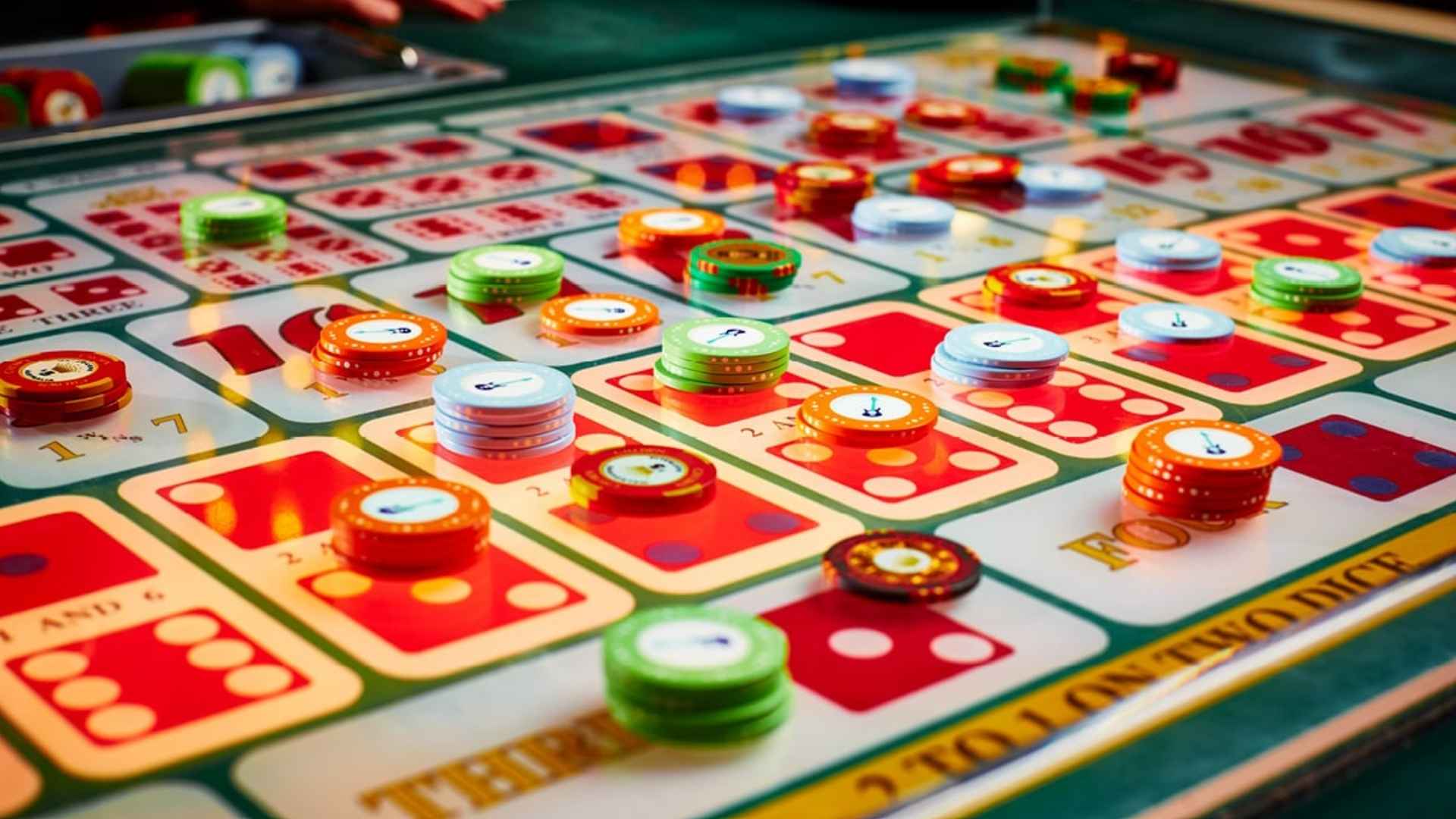
Familiarizing yourself with the statistical charts printed directly on the table surface will naturally improve your decision-making process. Rather than relying on perceived streaks or historical results, disciplined players focus entirely on the fixed mathematical realities of each independent roll. Setting strict budget limits before starting a session ensures that you can enjoy the strategic elements of the game without emotional distractions.
Practicing on digital interfaces allows you to visualize how these mathematical principles operate without any immediate pressure. By consistently aligning your choices with favorable probability metrics, you can easily minimize unnecessary losses and extend your overall playtime. Ultimately, mastering the table comes down to acknowledging the math behind the dice and enjoying the natural entertainment value of the roll.

Learning Sic Bo One Roll at a Time ...
Sic Bo is an ancient Chinese dice game that has successfully transitioned into the modern digital casino era. While players worldwide enjoy the rapid pace of rolling three dice, finding long-term success requires a solid grasp of how mathematical metrics govern the table layout. Understanding the core difference between the statistical likelihood of an event and its corresponding financial payout is essential for anyone looking to build a sustainable approach.
Defining Probability in Three-Dice Gameplay
Probability refers to the mathematical likelihood of a specific dice combination appearing on any given roll. Since the game utilizes three independent six-sided dice, there are exactly 216 total possible combinations that can occur when the container is shaken. Calculating these distinct outcomes allows players to see precisely how often certain totals or individual numbers will manifest during a session.
For example, low-risk options like Small or Big wagers cover a large portion of the available outcomes. A Small bet wins on totals from four to ten, excluding triples, which translates to a relatively high mathematical probability of occurring. Knowing these exact percentages helps participants separate emotional guesswork from mathematical reality before placing their chips on the board.
Understanding Payout Odds and House Advantage
Payout odds represent the financial return a player receives from the casino when a specific wager wins. In a perfectly balanced mathematical environment, payout odds would perfectly match the true statistical probability of the roll. However, gaming venues adjust these returns slightly lower than the actual odds to establish their built-in advantage, commonly known as the house edge.
When exploring various gaming environments, players often look for platforms like M88 to observe how different table configurations present these payout ratios in live sessions. High-risk options, such as predicting a specific triple, offer massive payout ratios because the true probability of hitting that combination is exceptionally rare. Balancing your selection between high-probability options and speculative payouts is key to managing your session budget effectively.
Comparing the Mathematical Differences
The primary distinction between these two concepts lies in how they impact your overall gaming strategy. Probability tells you how likely you are to win a round, while the payout odds dictate how much you are rewarded for taking that specific level of risk. When the gap between the true probability and the payout odds widens, the house edge increases significantly, making that particular section of the table less favorable over time.
For instance, betting on a specific total like four or seventeen carries a steep house advantage because the actual probability of rolling that precise sum is quite low. Conversely, even-money wagers offer a tighter correlation between mathematical chance and financial returns, providing a much smoother experience for conservative players. Recognizing this variance allows enthusiasts to navigate the complex table layout with greater clarity and confidence.
Smart Practical Insights for Dice Enthusiasts
Familiarizing yourself with the statistical charts printed directly on the table surface will naturally improve your decision-making process. Rather than relying on perceived streaks or historical results, disciplined players focus entirely on the fixed mathematical realities of each independent roll. Setting strict budget limits before starting a session ensures that you can enjoy the strategic elements of the game without emotional distractions.
Practicing on digital interfaces allows you to visualize how these mathematical principles operate without any immediate pressure. By consistently aligning your choices with favorable probability metrics, you can easily minimize unnecessary losses and extend your overall playtime. Ultimately, mastering the table comes down to acknowledging the math behind the dice and enjoying the natural entertainment value of the roll.

Advanced Card Play in Bridge Games Explained ...
Mastering the intricacies of duplicate bridge requires transitioning from foundational bidding tactics to executing sophisticated card play techniques at the table. While a solid auction phase establishes the target contract, the true battle unfolds during the subsequent declaration and defensive maneuvers. Elite competitors rely on logical deduction, precise tracking, and psychological awareness to outmaneuver their opponents over every single deal.
The Mechanics of Information Gathering
Advanced players look closely at every card discarded during the early tricks to reconstruct the hidden hands of the defenders. By combining the initial bidding clues with the distribution patterns revealed during play, a declarer can form an accurate mental layout of the remaining cards. This continuous calculation mitigates the element of chance, allowing for highly educated decisions rather than blind guesses.
Developing this high-level focus prevents unforced tactical errors and ensures that complex layouts are handled with utmost precision. Many strategic mind sports enthusiasts also explore competitive games at the Mansion88 platform to test their decision-making capabilities under pressure. Regular mental workouts ultimately sharpen the analytical agility required to recognize subtle shifting patterns at the bridge table.
Executing Masterful Declarer Finesse
A crucial milestone in advanced play is the perfect execution of deep finesses and strategic safety plays to secure extra tricks. Declarers must learn when to delay drawing trumps, especially when those trumps are needed to ruff losing cards in the short hand. Managing entries between the declarer hand and the dummy is the absolute cornerstone of smooth execution.
Careful timing allows a player to neutralize the defenders' assets while systematically establishing their own long suits. Finesse opportunities should never be rushed without calculating alternative probabilities and endplay possibilities. A well-planned endplay forces an opponent to lead into your tenace, effectively giving you control of the final tricks.
Advanced Defensive Signals and Coordination
Succeeding consistently in competitive bridge tournaments relies just as heavily on sophisticated defensive coordination between partners. Defenders must employ precise signaling systems, such as attitude, count, and suit-preference signals, to communicate without breaking rules. An accurate opening lead sets the tone for the entire round and can instantly disrupt the declarer's initial plan.
Coordinating defensive strategy ensures that your partnership maximizes its tricks before the declarer can establish a long suit. Utilizing standard principles like second-hand low and third-hand high helps maintain control of critical high-card points. Active defense involves taking calculated risks to defeat a contract that cannot be beaten by passive play.
Mobile Card Games That Build Strategy Skills ...
The mobile gaming landscape has evolved significantly, shifting from mindless tapping exercises to highly sophisticated cognitive challenges. Among the most impactful genres are digital card games, which require players to exercise deep analytical thinking and long-term planning. These virtual arenas offer an accessible yet profound way to sharpen real-world decision-making skills directly from a smartphone.
The Cognitive Benefits of Tactical Deck Building
Constructing an effective deck is the foundational step in any strategic card game. Players must evaluate the individual merits of dozens of cards while predicting how they will perform collectively under shifting match conditions. This process encourages critical thinking as gamers balance offensive power with defensive utility to counter potential threats.
Furthermore, deck building teaches the importance of resource distribution and mathematical probability. Limiting your card pool to a specific number forces hard choices, mirroring real-life project management scenarios. For players seeking an engaging environment to test their analytical capabilities, the Mansion88 platform offers a variety of interactive strategic challenges to explore.
Enhancing Real-Time Resource Management
Once a match begins, players must manage a strictly limited pool of turn-based energy or mana. Every action carries an opportunity cost, forcing individuals to prioritize immediate survival against long-term victory conditions. Mastering this balance is essential for overcoming highly skilled opponents in competitive ladders.
This constant evaluation develops strong tactical patience and emotional discipline during high-stakes scenarios. Choosing to save resources for a future turn rather than spending them immediately requires foresight. Over time, this habit translates into improved financial literacy and better risk assessment in everyday situations.
Developing Adaptability and Risk Assessment
No two matches in digital card games are identical due to the inherent randomness of card draws. Players are frequently forced to abandon their primary game plans and formulate alternative strategies on the fly. This dynamic environment builds psychological resilience and cognitive flexibility.
Calculating risk versus reward becomes second nature as players decide when to make bold moves or play conservatively. Analyzing an opponent's hidden options based on their visible actions refines deductive reasoning. Consequently, enthusiasts become much more comfortable navigating uncertain situations outside of gaming environments.
The Value of Analytical Community Engagement
Succeeding in the modern strategic gaming landscape often requires looking beyond the application itself. Engaging with global player communities exposes individuals to complex meta-theories and mathematical breakdowns of top-tier strategies. Collaborative learning environments accelerate personal skill acquisition significantly.
Discussing tactical nuances with other enthusiasts helps players identify personal cognitive biases. Reviewing past match data and adapting to regular balance patches ensures that the mind remains sharp and receptive to new information. Ultimately, these communities turn a solitary pastime into a comprehensive educational experience.
Easy Craps Strategies for Weekend Players ...
Stepping up to a lively casino craps table during a weekend getaway can feel both exhilarating and slightly overwhelming for casual gamers. The fast-paced environment and unique layout often make the game appear far more complex than it actually is. By focusing on a few straightforward approaches, any casual visitor can confidently participate in the action while keeping the house advantage to a minimum.
Sticking to the Fundamental Pass Line Wager
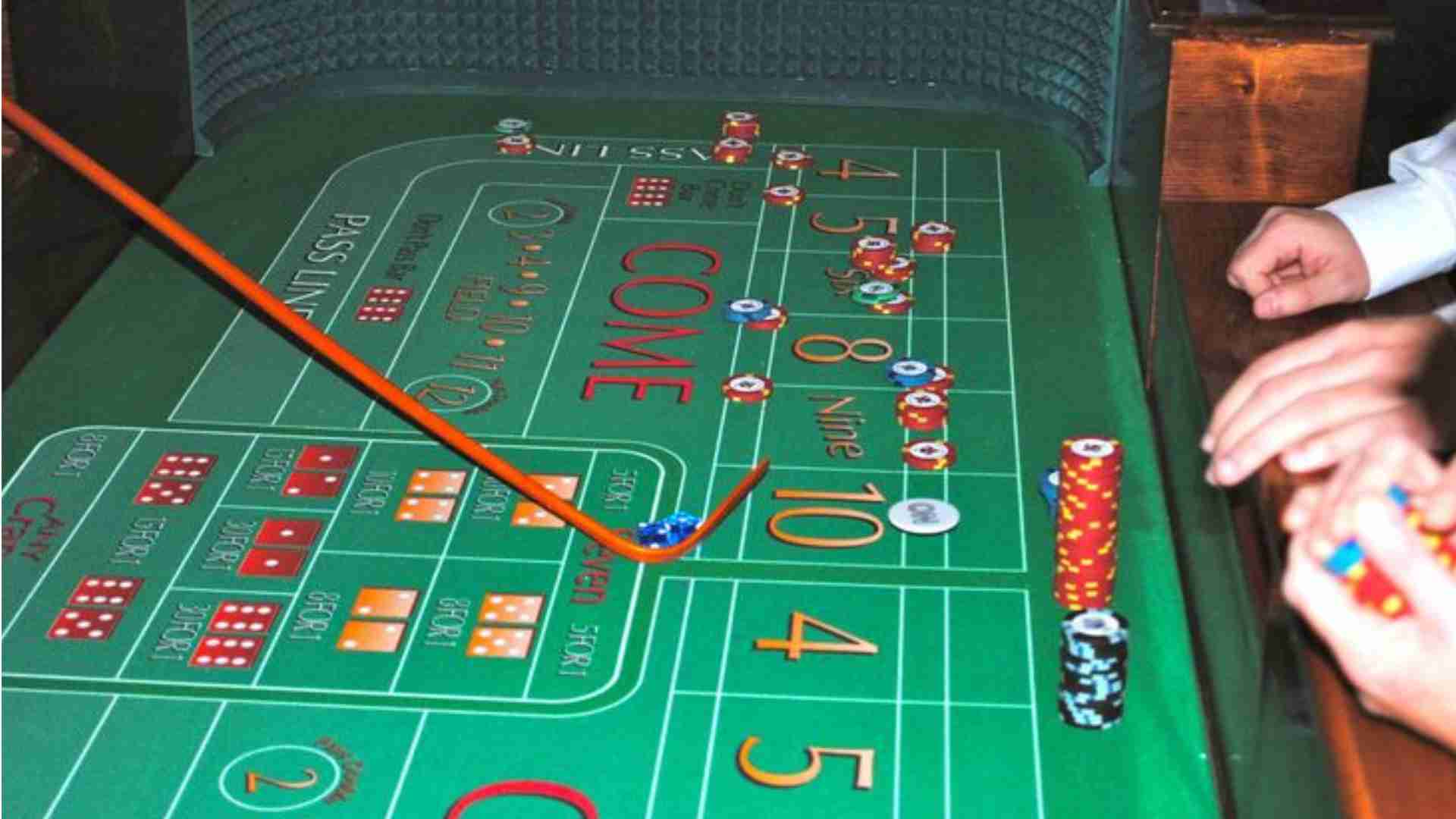
The absolute simplest approach for any weekend visitor is to focus primarily on the standard Pass Line wager. This basic bet is placed right before the shooter delivers the initial come-out roll to establish a point. It succeeds immediately if a seven or eleven is thrown, while dropping if a two, three, or twelve appears.
When any other number is rolled, that specific total becomes the established point for the ongoing round. The shooter must then roll that exact number again before rolling a seven for your wager to win. This approach features a remarkably low house edge of just 1.41 percent, making it perfect for casual play.
Maximizing Value with Free Odds Bets
Once a point number has been successfully established, players gain access to the best opportunity on the casino floor. You can place an additional wager directly behind your original Pass Line bet, which is known as taking the odds. This specific option is unique because the casino holds absolutely no statistical advantage over the player.
The payouts for this backup option are determined by true mathematical probabilities rather than altered house payout ratios. Exploring these options on trusted platforms like Mansion88 allows enthusiasts to safely practice these combinations before playing in a live environment. Utilizing this choice systematically lowers the overall variance of your sessions over a short trip.
Implementing the Conservative Two-Point Molly
For individuals who want a bit more action without exposing their bankroll to extreme risks, the two-point strategy is highly effective. This technique expands your presence on the board by introducing a single Come bet after the initial point is active. This second wager effectively treats the next throw as a brand-new personal come-out roll.
By maintaining only two active numbers simultaneously, you enjoy multiple ways to win on every single roll. It keeps the game highly engaging while preventing you from spreading your chips too thin across the entire felt layout. Sticking to this limitation protects your funds during sudden cold streaks at the table.
Smart Session Limits for Casual Trips
Managing your money properly remains the ultimate foundation for enjoying a successful weekend gaming experience. You should always determine a specific loss limit and a realistic winning goal before joining any active table. Separating your main bankroll into smaller, distinct session budgets ensures you never exhaust your funds prematurely.
It is also wise to ignore the tempting high-payout proposition wagers located in the center of the betting layout. While these specific options promise large returns, they carry an incredibly high house edge that quickly drains your chips. Staying patient and disciplined with fundamental wagers ensures your weekend entertainment remains thoroughly enjoyable.

The Best Brain Training Probability Games ...
Engaging with cognitive challenges is a proven method to keep the mind sharp, and incorporating elements of uncertainty can elevate this experience. Probability-based brain training games offer a unique opportunity to test mathematical logic while enhancing real-world decision-making skills. By forcing the mind to calculate risk and assess potential outcomes dynamically, these exercises stimulate areas of the brain responsible for deep analytical reasoning.
The Cognitive Science of Randomness
At the core of probability games lies the concept of independent and dependent events, which constantly challenges our intuitive assumptions. Traditional logic puzzles often rely on predictable patterns, whereas uncertainty forces the human brain to manage cognitive load and adapt to fluid scenarios. This ongoing adjustment helps minimize common cognitive biases, such as the gambler's fallacy, where individuals mistakenly believe past results dictate future outcomes.
Regularly confronting these mathematical uncertainties builds a stronger framework for both rational planning and sharp intuition. When individuals learn to track statistical frequency instead of guessing out of pure hope, their underlying problem-solving capacity expands significantly. Over time, this targeted cognitive stimulation trains the mind to handle unexpected variables with calm efficiency.
Top Categories for Probability Practice
Card games and advanced dice simulators represent some of the most accessible tools for practicing probabilistic calculations. These classic formats require participants to compute real-time odds based on shifting variables and visible clues. By calculating the remaining possibilities in a deck or a roll, players reinforce their working memory and statistical literacy simultaneously.
For those interested in exploring diverse digital environments that incorporate sophisticated random number generators, platforms like Mansion88 provide modern interactive setups. Observing how digital formulas distribute potential results offers an engaging way to study statistical patterns. Utilizing these platforms for structured observation allows analytical thinkers to test their theories in complex, fast-paced scenarios.
Developing Risk Assessment Skills
One of the main benefits of probability challenges is their direct application to daily life choices. Real-world decisions are rarely based on total certainty, often requiring people to weigh potential risks against expected rewards. Training with game-based scenarios helps individuals internalize these concepts, leading to more objective choices in corporate, academic, and personal settings.
By understanding how small sample sizes can fluctuate erratically, players learn to appreciate the stability of long-term trends. This perspective shifts focus away from immediate emotional reactions and moves it toward calculated long-term strategies. Ultimately, mastering these basic mathematical calculations transforms the way the mind evaluates opportunities and mitigates potential losses.
Choosing the Right Challenge
Selecting the ideal puzzle or game depends largely on an individual's current mathematical background and cognitive goals. Beginners should focus on simple coin-tossing or dice-rolling simulations to build a foundational grasp of basic percentages. Advanced players can progress to mixed-motive setups where human behavior and statistical algorithms intersect, creating a richer layer of tactical complexity.
Consistency is much more valuable than difficulty when trying to establish lasting cognitive improvements. Spending a few minutes each day analyzing probabilities can dramatically refine how the brain processes complex information. Finding an engaging, well-designed format ensures that this vital mental workout remains both sustainable and rewarding over time.

Gold Rush Scratch Card Adventures ...
The allure of unearthing hidden wealth has captivated human imagination for generations, dating back to the legendary frontier migrations. Modern technology has successfully captured this timeless thrill by transforming historic prospecting themes into fast-paced digital gaming options. Players can now experience the suspense of striking gold instantly without needing any heavy equipment or complex gaming strategies.
The Appeal of Historic Mining Themes
The visual framework of a traditional mining frontier provides an excellent backdrop for interactive instant-win entertainment. Symbols like pickaxes, wooden barrels, and glowing nuggets instantly convey the clear objective of hunting for valuable treasures. This familiar imagery establishes immediate engagement because participants intuitively understand the primary goals of the game from their very first selection.
Furthermore, the creative application of historical concepts adds an extra layer of immersive exploration to the standard lottery structure. Each modern title utilizes thematic audio and sharp animations to simulate the satisfying process of uncovering raw materials. For those eager to discover premium gaming interfaces built around captivating setups, visiting an established hub like Mansion88 offers direct access to high-quality scratch options. These digital variations successfully bridge the gap between historic prospecting concepts and modern interactive conveniences.
How Interactive Mechanics Enhance the Experience
Unlike traditional paper alternatives, digital platforms introduce dynamic presentation elements that keep every round fresh and entertaining. Software developers regularly incorporate special animations, such as exploding rocks or shining reveal flashes, to celebrate matching combinations. These smooth transitions maintain player interest by transforming basic symbol matching into a multi-layered narrative journey.
Many modern editions also implement secondary mystery symbols and randomized multipliers that can alter the traditional payout framework. This unpredictability keeps casual participants actively involved since the exact nature of the reward remains hidden until the final reveal. The combination of visual suspense and direct control makes virtual exploration far more engaging than simply tracking random mechanical draws.
Promoting a Balanced and Systematic Approach
While the prospect of tracking virtual gold nuggets is undeniably entertaining, maintaining a realistic perspective regarding instant-win games is essential. Every digital release relies entirely on certified random number generators to ensure completely independent outcomes for every individual attempt. Recognizing that statistical probability governs each reveal helps participants approach the game as a casual hobby rather than a reliable strategy for financial gain.
Establishing straightforward guidelines for time spent and personal budgets represents the most sustainable way to enjoy instant-win platforms. Because individual rounds conclude within a matter of seconds, predefined boundaries prevent casual sessions from becoming overwhelming or stressful. Prioritizing affordable entertainment value over potential payouts guarantees a safe, positive, and genuinely rewarding gaming experience over the long term.
Semua artikel sudah ditampilkan.