Recent Post
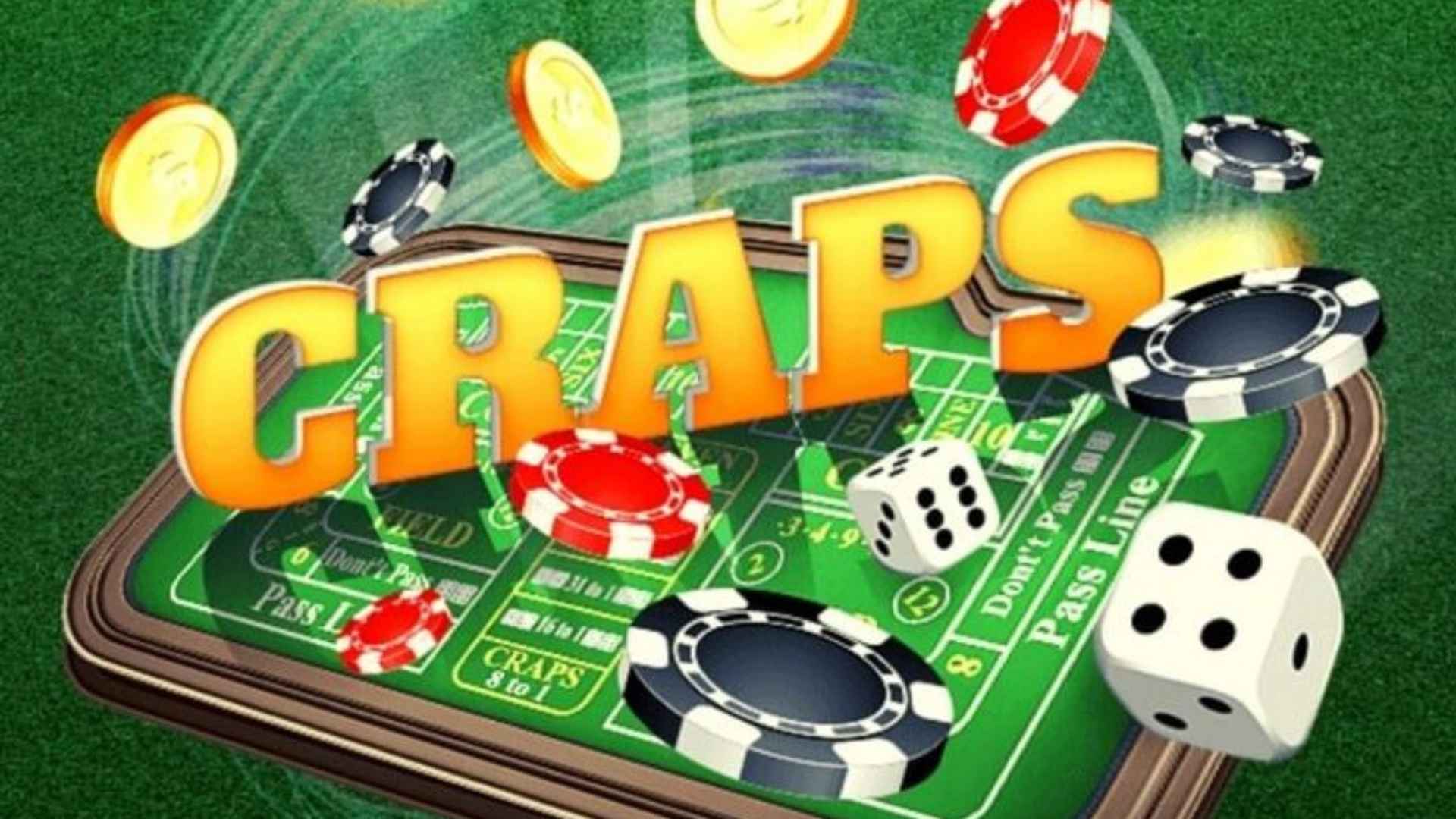
Lucky Draw Prize Distribution Explained ...
Lucky draw events have long been an effective method for businesses to boost customer engagement and capture valuable consumer insights. While many participants focus purely on the excitement of the draw, the underlying mechanics of how prizes are allocated requires careful planning and execution. Understanding this distribution process can help both organizers and participants appreciate the transparency required for a successful campaign.
The Core Mechanics of Allocation
The foundation of any legitimate promotional draw relies on a structured and auditable system to manage the entire prize pool. Organizers must determine beforehand whether rewards will be handed out all at once or distributed in staggered intervals throughout the campaign period. This structured approach ensures that the giveaway remains exciting from the opening day until the final selection process.
To guarantee fairness, modern promotional systems frequently utilize verified digital allocation software that removes human bias completely from the selection process. Using randomized algorithms helps platforms maintain regulatory compliance while building consumer trust over long-term promotional periods. Participants are more likely to engage with a brand when they know the selection criteria are completely unbiased.
Ensuring Transparency and Legal Compliance
Transparent guidelines are essential for establishing trust and keeping a promotional campaign within legal boundaries. Organizers are required to publish detailed terms and conditions that explicitly state consumer eligibility, entry limitations, and verification deadlines. Failing to disclose these key variables can result in legal complications and severely damage a brand's reputation.
Establishing clear distribution protocols is especially important when dealing with high-value digital assets or premium merchandise. Enthusiasts who closely follow competitive platforms like Mansion88 understand that clear rule enforcement is what separates legitimate systems from disorganized campaigns. Proper documentation protects the hosting organization while assuring the public that every reward is accounted for.
Managing Winner Verification and Fulfillment
Selecting a winning entry is only the first phase of an effective prize distribution strategy. Organizers must implement strict verification procedures to confirm the identity of potential winners and ensure they meet all eligibility criteria. This verification step often involves checking regional restrictions, age requirements, and conformity to entry guidelines.
Once verification is completed successfully, the physical or digital fulfillment process must be executed without unnecessary delays. Providing a swift and efficient delivery experience encourages winners to share their positive experiences on various social media platforms. This secondary organic promotion can significantly enhance the long-term marketing value of the original campaign.
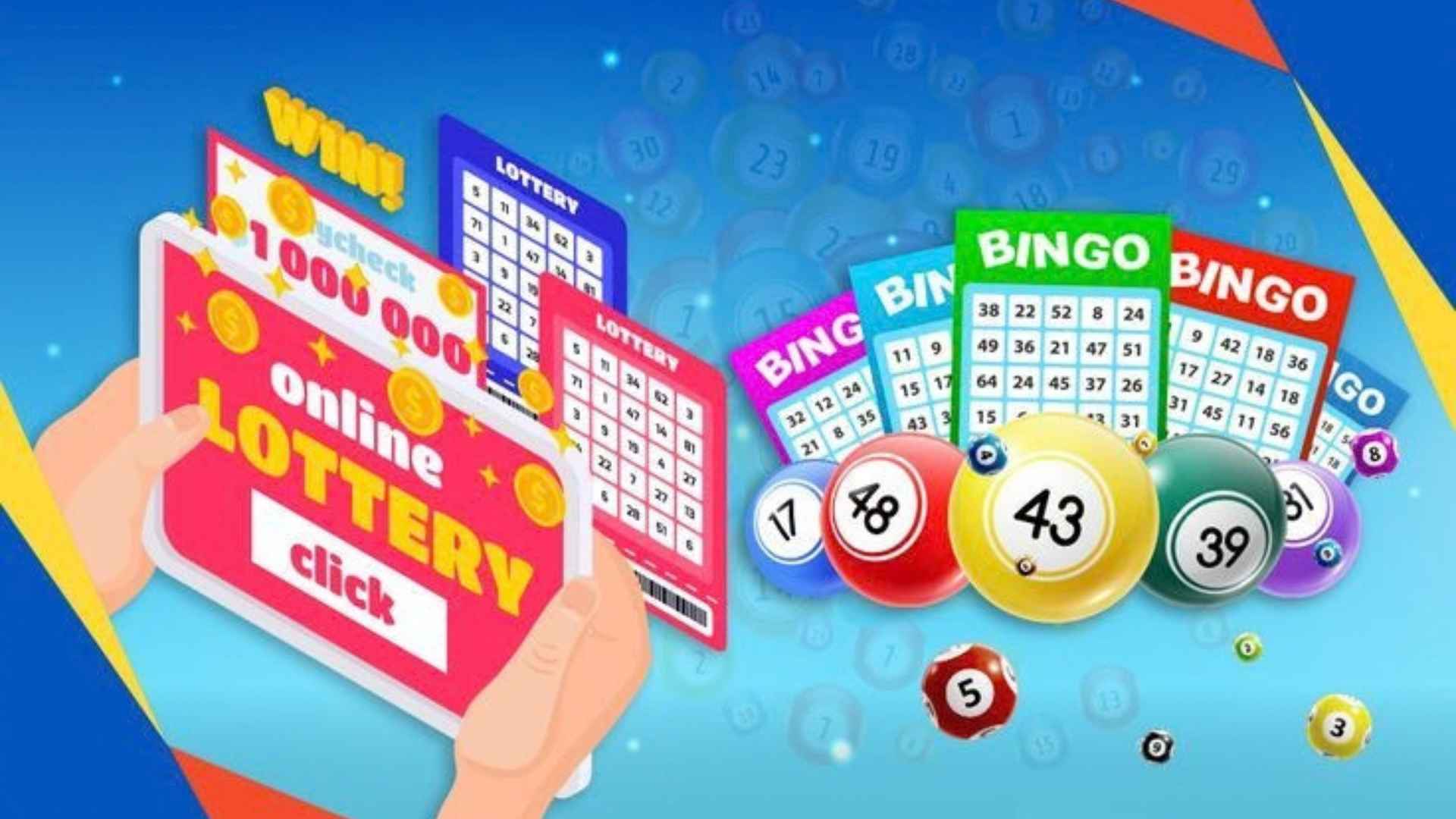
Does Number History Matter in Keno? ...
Keno is a widely enjoyed lottery-style game that relies heavily on random number generation to determine its outcomes. Many players closely analyze past results, hoping to discover trends or patterns that might predict the next winning selection. Understanding whether this numerical history truly impacts your chances is essential for developing a realistic approach to the game.
The Mechanics of Randomness in Keno
Modern keno games use sophisticated algorithms known as Random Number Generators to ensure each drawing is completely independent of the last. This means that the system does not remember which digits were drawn in previous rounds, making every event a fresh start. Consequently, a number that appeared in the last round has the exact same probability of appearing again in the next draw.
Some players fall victim to the gambler's fallacy, assuming that a number is due to appear simply because it has been absent for a long time. In reality, statistical mathematical probabilities remain identical for every individual draw regardless of what happened minutes before. Believing that past events dictate future outcomes can lead to flawed gaming choices and false expectations.
Hot and Cold Numbers Explained
The concepts of hot and cold numbers are popular among enthusiasts who track frequency charts over dozens of game sessions. Hot numbers refer to those that have appeared frequently in recent draws, while cold numbers are those that have rarely shown up. While these statistics describe what has already happened, they hold no predictive value for what will happen next.
Tracking these patterns can be an entertaining way to engage with the game, but it does not alter the mathematical house edge. Experienced players often visit platforms like Mansion88 to enjoy various gaming options while keeping these probability factors in mind. Ultimately, choosing your favorite spots based on historical frequency is a personal preference rather than a proven scientific strategy.
Why Statistical Independence Matters
Statistical independence ensures that no external factors or historical data can influence the physical or digital draw. Every combination of twenty numbers chosen from the pool of eighty has an equal probability of occurring in any given round. Because the game possesses no memory, mathematical systems based on progression or history cannot guarantee consistent success.
Accepting this reality helps players focus more on entertainment value and proper budget management rather than chasing non-existent trends. When you view each drawing as an isolated statistical event, the pressure to find hidden patterns disappears entirely. This mindset fosters a much healthier relationship with casual gaming and improves overall session enjoyment.
Practical Tips for Keno Enthusiasts
Instead of spending hours analyzing complex statistical charts, focus your efforts on choosing the right number of spots for your budget. Picking between four and eight numbers often provides a balanced structure regarding payout potential and optimal odds. This approach keeps the gameplay straightforward and protects your bankroll over extended periods.
Always remember that keno is designed primarily as a form of light entertainment rather than a consistent source of income. Setting clear limits on your time and spending ensures that your gaming sessions remain fun and responsible. By prioritizing bankroll management over historical tracking, you can appreciate the true random nature of this classic game.
How to Build Winning Momentum in Rummy Events ...
Building consistent momentum in competitive card games is often the defining factor between a brief winning streak and tournament-long dominance. Rummy events require a unique blend of strategic patience, sharp observation, and psychological resilience to maintain a high level of performance. Establishing early advantages allows players to dictate the pace of the table and place immense pressure on their opponents.
Establishing an Early Table Presence
The initial rounds of a competitive rummy event set the tone for your entire tournament run. Securing swift victories early on boosts your confidence and helps you establish a commanding table presence. When opponents perceive you as a highly focused and calculation-driven player, they are more likely to make hurried decisions under pressure.
To capture this early advantage, focus heavily on card tracking and opponent observation during the first few hands. Note which cards are discarded and picked from the open pile to map out potential melds. This deliberate and analytical approach ensures you remain one step ahead of the competition from the opening deal.
Adapting to Shifting Game Dynamics
Momentum is not static; it requires continuous adjustments as the tournament progresses and the competition stiffens. A strategy that dominated the preliminary stages might prove ineffective against highly skilled players in later rounds. True champions remain flexible, ready to shift from aggressive card hoarding to defensive folding when necessary.
In high-stakes situations, managing your point accumulation is crucial to preserving your tournament standing. Utilizing trusted online platforms like Mansion88 can offer the competitive practice needed to test different tactical shifts. Knowing when to accept a minor penalty drop rather than risking a heavy loss keeps your score stable and your momentum intact.
The Psychology of Staying Ahead
Maintaining a winning streak requires immense mental discipline and emotional control under stressful conditions. When players experience a string of successful hands, they often fall victim to overconfidence and take unnecessary risks. Conversely, a single bad hand can lead to frustration, causing players to lose focus and break their strategic routine.
To prevent these psychological setbacks, treat every individual hand as a completely fresh start. Cultivate a calm, methodical routine that prioritizes logical decision-making over emotional reactions. By maintaining a steady psychological baseline, you protect your tactical focus and sustain forward momentum throughout long sessions.
Refining Your Tactical Execution
Consistency in competitive rummy is built on the refinement of your card discarding and collecting habits. Every choice to hold a high-value card or discard a bait card must serve a specific strategic purpose. Over time, these small but precise decisions compound into a powerful advantage that opponents struggle to disrupt.
Regularly reviewing your previous matches is another vital step in keeping your competitive edge sharp. Take note of any tactical missteps or moments where your concentration wavered during intense plays. Continuous self-analysis ensures that your strategy remains polished, helping you carry strong momentum into future challenges.

Wheel of Fortune Tips for Better Game Awareness ...
Developing a high level of game awareness is what separates casual spinners from truly successful players in any wheel-based puzzle game. By training yourself to see beyond the immediate results of a single spin, you can make much smarter choices throughout each round. Elevating your perception allows you to anticipate challenges and seize opportunities before your opponents even realize they exist.
Observe the Board and Predict Missing Letters
A major element of game awareness involves scanning the board constantly to identify common prefix and suffix combinations. Recognizing how letters typically pair up in English words can give you a massive advantage when the puzzle is only partially revealed. This mental blueprint helps you eliminate unlikely guesses and narrow down the remaining word possibilities quickly.
As you watch the board develop, keep a close eye on the ratio of consonants to vowels already placed by other players. Understanding which vowels are still missing prevents you from making empty spins that do not progress your standing. This continuous evaluation keeps you ahead of the game and ready to solve at the perfect moment.
Monitor Opponent Tactics and Mistakes
Game awareness is not just about your own turns; it also requires paying strict attention to how your competitors behave. Watching which letters your opponents guess can reveal their underlying strategy or expose their misunderstandings of the current board. Learning from their missteps ensures you do not repeat the same incorrect calls when the turn passes back to you.
Furthermore, observing how other players handle risky wheel segments can help you gauge the overall volatility of the round. Many enthusiasts enjoy practicing these observation skills on reliable online platforms like Mansion88 to build up their decision-making confidence. Analyzing diverse player habits under various conditions ultimately refines your personal approach to competitive sessions.
Master Wheel Mechanics and Sector Risks
Every spin carries a distinct set of risks and rewards that you must calculate in real time based on your current score. Cultivating awareness of where the bankrupt and lose-a-turn sectors are located helps you decide whether to spin or solve immediately. Balancing the urge to accumulate more rewards with the safety of your existing bankroll is key to long-term success.
When you learn to track the momentum of the wheel, you can better estimate where the pointer is likely to land on subsequent spins. While randomness always plays a significant role, understanding these basic physics elements reduces unnecessary anxiety during critical moments. This calculated mindset ensures you remain calm and focused on the puzzle solving process itself.
Track Your Resources and Build a Plan
Managing your in-game currency is another crucial skill that requires constant focus and proactive planning. Spending your resources too quickly on early vowels can leave you vulnerable if you hit an unexpected obstacle later. Maintaining a healthy financial cushion ensures you always have the flexibility to purchase crucial clues when the board gets tough.
Ultimately, superior game awareness comes from combining puzzle-solving speed with a disciplined emotional state. By practicing regularly and reflecting on your choices, you will naturally develop a sharper instinct for every twist the wheel offers. With these steady habits in place, you can transform every session into an intellectual victory.

The Art of Curating a Mystery Box ...
The modern retail environment places a heavy premium on emotional connections and memorable buyer journeys. Curating a mystery box is no longer just about packing excess inventory into a cardboard container; it has evolved into a sophisticated form of brand expression. When done correctly, this strategy balances structural design, value perception, and authentic discovery to construct an unforgettable consumer moment.
Understanding the Psychology of Assembly
A truly successful surprise package relies heavily on how individual items interact with each other inside the box. Curators must choose products that tell a cohesive thematic story rather than serving as random standalone novelties. This careful item selection ensures that the consumer views the assortment as a highly personalized bundle rather than a thoughtless corporate transaction.
The physical arrangement inside the box should guide the buyer through a logical and satisfying narrative sequence. Premium items are traditionally positioned front and center to establish immediate satisfaction upon opening. This calculated structure builds anticipation, mimicking the deliberate emotional architecture often found in digital entertainment hubs like Mansion88 where presentation dictates user interest.
The Critical Role of Packaging Integrity
The exterior packaging serves as the initial physical touchpoint between a brand identity and a waiting consumer. Utilizing custom branded boxes or specialty packing tape sets an immediate aesthetic standard long before the contents are revealed. Sturdy structural materials are absolutely mandatory to prevent unsightly transit damage from destroying the visual appeal.
Internal layers add a powerful sense of abundance and keep hidden treasures properly secured until the appropriate moment. Elements like custom tissue paper and premium colored crinkle paper create an interactive barrier that slows down the unboxing process. These tactile additions elevate the perceived value of the overall product bundle, transforming standard unpacking into an immersive retail experience.
Balancing Economic Value and Expectations
A sustainable marketing campaign must always guarantee that every potential outcome feels like a legitimate win for the consumer. While rare items generate massive social conversation, the worst-case assortment must still offer practical, tangible value. Transparency regarding potential value ranges and product pools helps maintain a healthy relationship built on mutual buyer trust.
Including unexpected personal touches can turn a simple delivery into an exceptional, shareable event. A handwritten thank-you note or a small complimentary sample builds massive customer retention and fuels positive word-of-mouth recommendations. When businesses prioritize deliberate craftsmanship over simple transactions, surprise retail becomes an innovative way to sustain long-term engagement.
Bridge Games Tactics for Better Results ...
Contract bridge is a highly strategic card game that demands a deep understanding of probability, psychology, and tactical coordination. Players who want to consistently improve their outcomes must look beyond basic card playing rules and focus on advanced maneuvering techniques. By refining your approach to bidding and active trick-taking, you can significantly elevate your performance at the table.
Mastering the Auction Framework
The bidding phase serves as the critical foundation for any successful bridge round. It is during this time that partners must share accurate data regarding their hand composition without giving away too much information to their observant opponents. Clear agreements on opening bids and defensive overcalls will prevent unforced errors and lead to optimal contracts.
Many enthusiastic players continuously study tactical hand simulations on platforms like M88id to enhance their quick decision-making capabilities. Developing a flexible system with your partner ensures that you can handle unexpected competitive bids from opponents. Staying disciplined during aggressive auctions often determines the difference between a major win and a costly penalty.
Executing Efficient Declarer Play
Once the auction finishes and the dummy hand is officially revealed, the declarer must pause to formulate a complete blueprint for the remaining tricks. Rushing into the initial trick without calculating potential obstacles is a common trap that beginner players fall into regularly. Take your time to carefully count your definitive winners and map out where additional tricks can be established.
Managing your entries between the declarer hand and the dummy is another vital element of successful play. You should look for opportunities to set up long side suits while simultaneously neutralising the defenders' top cards. Keeping track of high cards that have already been played will help you navigate tricky endgames with total confidence.
Sharpening Defensive Signals
Defending against an ambitious contract requires intense concentration and a high level of trust between partners. The initial opening lead is often the most critical card played during the defensive phase because it sets the trajectory for your entire team. Pay close attention to the early auction hints to deduce the most vulnerable spot in the declarer's plan.
Using systematic card signals allows defenders to communicate legally regarding their remaining suit lengths and specific honors. For instance, signaling an attitude toward a led suit helps your partner decide whether to continue attacking or switch strategies entirely. Consistent teamwork and sharp deductive reasoning are the ultimate tools for defeating difficult contracts.

Position Strategy in Popular Poker Variants ...
Understanding table position is widely recognized as one of the most fundamental skills required to achieve consistent success in modern poker. While many beginners focus solely on their hole cards, seasoned players know that when you act during a betting round dictates how much information you can gather. This strategic advantage changes dynamically depending on the specific poker variant you are playing at the time.
The Role of Position in Texas Hold'em and Omaha
In community card games like Texas Hold'em and Omaha, acting last in the post-flop betting rounds provides an immense advantage. Being in late position allows you to observe your opponents' checks or bets before deciding whether to control the pot size or execute a bluff. This sequence of play makes it significantly easier to protect your chips and maximize your returns on strong hands.
Conversely, playing from early position forces you to make decisions with zero information regarding how the rest of the table will react. As a result, experienced players tend to tighten their starting hand requirements considerably when sitting in these vulnerable seats. Maintaining this discipline is crucial for avoiding expensive post-flop complications against aggressive opponents.
Adapting to Fixed Limit and Draw Poker Dynamics
When transitioning to draw poker variants, positional strategy shifts away from community board texture to focusing on the number of cards your opponents discard. Seeing how many cards an adversary draws gives you a direct clue about the strength of their current hand before you choose your own action. Acting last in these formats remains highly powerful because it allows you to dictate the betting pace during the drawing phases.
In fixed-limit betting structures, the mathematical influence of position changes because the bet sizes are strictly controlled. While you cannot use massive bets to price opponents out of a hand, acting last still helps you extract maximum value or fold cheaply when facing strength. For players looking to test these strategies across diverse formats, visiting a reputable gaming platform like Mansion88 offers an excellent way to practice against a wide field of opponents.
Stud Poker and Changing Initiative
Unlike community card games where the button dictates the order of play, Seven Card Stud features a dynamic positional structure that changes every street. The player showing the strongest face-up cards is forced to act first, which means your position can change from advantageous to vulnerable in a single deal. This constant shifting requires players to remain highly adaptable and closely monitor the visible upcards across the entire table.
To succeed in stud variants, you must learn to read the changing initiative and predict how future streets will affect the betting order. Being able to anticipate when you will have the tactical advantage of acting last helps you plan multi-street bluffs or value bets. Mastering this fluid positional dynamic is what separates casual stud players from true experts of the game.
Positional Nuances in Split Pot Games
In split-pot variants like Omaha Hi-Lo or Seven Card Stud Hi-Lo, position is critical for executing a maneuver known as "scooping" the entire pot. Acting last allows you to gauge whether your opponents are chasing only the low half or the high half of the pot based on their betting behavior. Armed with this knowledge, you can aggressively build the pot when you hold a strong two-way hand.
If you find yourself out of position in a split-pot game, caution should be your guiding principle. It is incredibly easy to get caught in the middle of two players raising each other, which can deplete your stack rapidly. Ensuring you only play premium starting hands from early seats will keep you safe from these costly multi-way confrontations.
A Complete Introduction to Mahjong ...
Mahjong is an extraordinary, deeply historical tile-based game that first developed in China during the nineteenth century and has since captured the attention of worldwide audiences. For beginners, getting introduced to its beautiful layouts and tactical requirements offers a wonderful way to challenge the mind while building great social bonds. Learning the core rules step by step provides a sturdy gateway into enjoying this enduring cultural pastime during casual game nights.
The Anatomy of a Mahjong Tile Set
A standard traditional mahjong game incorporates 144 individual tiles that are carefully decorated with distinctive symbols and Chinese characters. These pieces are divided into primary suits representing bamboo, characters, and dots, with each set numbered from one to nine. Beyond the main suits, the collection includes honor tiles representing the unique winds and three majestic dragon symbols.
Developing quick visual recognition of these designs allows newcomers to make faster strategic assessments without getting confused by the table layout. Regular participation in these games also serves as a brilliant way to stimulate and enhance your cognitive memory over time. Familiarizing yourself with how a full set is organized sets a reliable framework for any beginner looking to improve.
Understanding the Ultimate Match Goals
The core objective for every player at the table is to become the first person to build a complete hand consisting of fourteen individual tiles. A standard legal hand requires you to organize your pieces into four distinct sets of three tiles plus one final matching pair. These sets can either be sequential runs within a specific suit or identical triplets of the exact same design.
Throughout each round, participants take turns drawing a hidden tile from the central wall and subsequently choosing one from their hand to discard into the open pool. This continuous exchange demands focused attention on what your opponents are actively discarding and collecting during the match. Learning how to safely claim a discarded piece from an opponent adds a wonderful layer of interactive tension to the experience.
Essential Strategies for Complete Novices
When starting your journey, it is vital to remain flexible and open to shifting your goals based on what tiles you naturally draw. Experienced players recommend holding onto highly versatile suited tiles while discarding isolated pieces that do not connect into logical sequences. Developing a habit of carefully monitoring previously discarded tiles helps you calculate the realistic probability of completing your final combinations.
Maintaining a calm, patient mindset during intense matches will consistently lead to better decision-making outcomes over time. Many gaming enthusiasts find that exploring modern virtual platforms like Mansion88 gives them a supportive environment to practice and hone these foundational strategies safely. Striking a clean balance between protecting your own tiles and executing an active offensive plan ensures you remain highly competitive.
Establishing Effective Long-Term Practice Habits
Consistency plays a monumental role when transitioning from an anxious newcomer to a truly confident and capable mahjong player. Organizing regular casual sessions with family or friends creates a comfortable space to practice analyzing the general flow of a match. Reviewing your arranged hands at the conclusion of a round helps you pinpoint recurring decision errors and improve your tactical awareness.
Once you feel entirely comfortable with the basic concepts, you can easily transition into learning popular regional variations from across the globe. Each distinctive rule variation introduces fresh scoring mechanics and unique hand combinations that keep the strategic landscape incredibly engaging. Embracing this progressive learning curve allows you to fully appreciate the profound depth of this timeless intellectual pursuit.

Solitaire Games That Sharpen Your Thinking ...
While many people view solitaire as a simple way to pass the time, this classic card game actually serves as an excellent tool for cognitive enhancement. Engaging with these solo puzzles requires a unique blend of foresight, pattern recognition, and tactical decision-making. By regularly playing, individuals can naturally exercise their minds and keep their critical thinking skills sharp.
The Cognitive Science of Sorting Cards
When you sit down to play a round of solitaire, your brain instantly begins evaluating complex visual data. You must analyze the relationships between different suits, alternating colors, and descending numerical orders. This continuous mental sorting helps strengthen working memory and improves your overall ability to process information quickly.
Furthermore, the game demands a high level of sustained concentration to avoid making premature moves. This deliberate focus acts as a form of mental training, helping to build a longer attention span in an era filled with digital distractions. Over time, players often find that this improved focus carries over into their daily professional and academic tasks.
Strategic Planning and Risk Management
To consistently win at solitaire, players must move beyond basic reaction and start planning several steps ahead. Every card moved in the tableau has long-term consequences that can either open up new opportunities or lead to a dead end. This process of weighing options closely mirrors real-world decision-making and logical problem-solving.
You must also learn when to take calculated risks, such as deciding when to draw from the stockpile or when to empty a tableau column. Balancing these risks teaches valuable lessons in patience and analytical reasoning. For those who enjoy testing their strategic thinking in different environments, platforms like Mansion88 provide modern interactive puzzles that challenge your tactical abilities in new ways.
Stress Reduction as a Pathway to Clear Thinking
An overlooked benefit of solitaire is its ability to induce a state of calm, focused relaxation often referred to as flow. By engaging in a low-stakes activity with clear rules, players can temporarily step away from daily stressors. This mental break reduces cognitive fatigue and allows the brain to recharge for future tasks.
A relaxed mind is significantly better at creative problem-solving and retaining new information. By using solitaire as a healthy mental escape, you are actually setting the stage for clearer, more logical thinking when you return to your responsibilities. It proves that taking a brief, structured break can be highly beneficial for long-term intellectual performance.
Choosing the Right Mind-Sharpening Variants
Not all solitaire games offer the same level of mental difficulty, meaning you can easily tailor your play to your current goals. Classic Klondike is fantastic for relaxing baseline exercises, while Spider Solitaire demands much deeper sequencing and logic. Switching between different variants keeps your brain active by forcing it to adapt to new rules.
Regularly challenging yourself with more complex layouts ensures that your mind remains agile and receptive to learning. By turning this classic pastime into a deliberate daily ritual, you can enjoy a fun, accessible method of cognitive maintenance. Ultimately, solitaire remains one of the most practical and enduring ways to keep your thinking sharp and disciplined.

Why Strategy Matters in Table Games ...
The allure of table games lies not just in the suspense of the next card or the spin of a wheel, but in the unique control they offer players. Unlike basic games of pure chance, table games challenge participants to engage their minds and apply structured thinking. Understanding why strategy matters is the first step toward transforming casual play into a deeply satisfying intellectual pursuit.
Shifting the Odds in Your Favor
While luck always plays a role, introducing a solid strategy allows players to systematically reduce the house edge. By making mathematically sound decisions, you ensure that every move is backed by probability rather than simple guesswork. This disciplined approach maximizes your opportunities to secure positive outcomes over longer gaming sessions.
For individuals looking to explore a secure platform with a wide selection of choices, Mansion88 provides an excellent environment to practice and refine these strategic principles. Developing a deep understanding of game rules and odds serves as the foundation for any successful session. Over time, these small mathematical adjustments accumulate to create a major difference in your overall performance.
Developing Mental Discipline and Patience
Adhering to a strategy requires a high level of emotional control, which is essential when facing unexpected outcomes. Players who rely on predefined systems are far less likely to make impulsive, heat-of-the-moment decisions that could damage their bankroll. This mental structure keeps you focused on long-term consistency rather than short-term fluctuations.
Patience is a quiet but powerful tool that separates seasoned players from complete novices. Strategists understand when to play aggressively and when it is wiser to step back or minimize their stakes. This level of self-control ensures that gaming remains an enjoyable, highly engaging form of mental exercise.
Enhancing the Intellectual Experience
Executing a well-thought-out plan elevates table gaming from a passive pastime to an active problem-solving challenge. Analyzing the table, calculating potential risks, and adapting to new variables keeps the human brain sharp and highly focused. This intellectual engagement is often much more rewarding than winning a payout purely by accident.
Every game session serves as an opportunity to study human behavior, manage resources, and test your decision-making limits. By focusing on the strategic aspects, you cultivate transferable skills that can even apply to real-world challenges. Ultimately, treating these games as puzzles to solve makes every single round far more meaningful.
Semua artikel sudah ditampilkan.